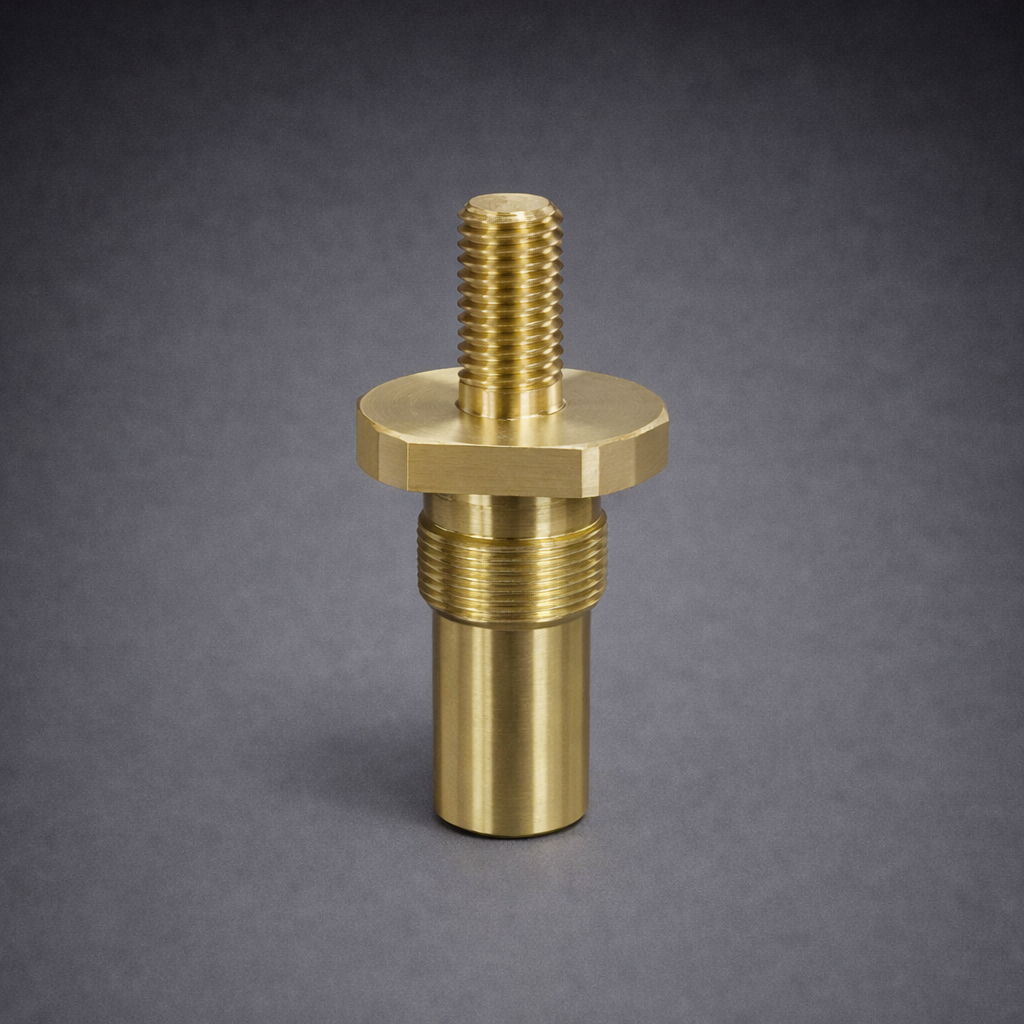
The images shown on this page are intended solely to illustrate typical connector and flange structures and common processing methods. Common manufacturing processes include various machining and surface treatment options.
Specific material selection, processing methods, and structural designs will be confirmed according to customer project requirements and technical documentation.
Connectors · Flanges
Application and Structural Characteristics
Connectors and flange components are used for structural connection, positioning, and fixation between different parts, and are widely applied in electrical installations, industrial equipment, and related systems as essential elements for stable assembly and reliable connections.
These components typically serve as key connection points within a system and have a direct impact on structural strength, assembly accuracy, and connection stability.
In practical applications, connectors and flanges are required to adapt to various equipment structures and installation conditions, maintaining reliable mechanical connections during operation.
Common Material Grades
| Type | Typical Grades |
|---|---|
| Copper (Pure Copper) | T1, T2, TU1 (Oxygen-Free Copper) |
| Brass (Cu-Zn Alloy) | H59, H62, H65 |
| Aluminum Alloy | 6061, 6063, 5052 |
Material grades can be supplied per customer drawings/standards (GB / ASTM / EN, etc.).
Common Process Options
| Process Type | Options |
|---|---|
| Plating | Silver Plating (Ag), Tin Plating (Sn) |
| Surface Texture | Knurling / Patterning (Straight, Diagonal, Diamond, etc.) |
| Surface Finishing | Brushing / Polishing |
| Edge Treatment | Deburring / Chamfering |
**Disclaimer
The above product images, materials, and parameters are provided as typical application examples of connectors and flanges, intended to illustrate common structural forms and usage scenarios.
Actual product structures, material selections, processing methods, and performance requirements shall be subject to customer-provided drawings and technical specifications.