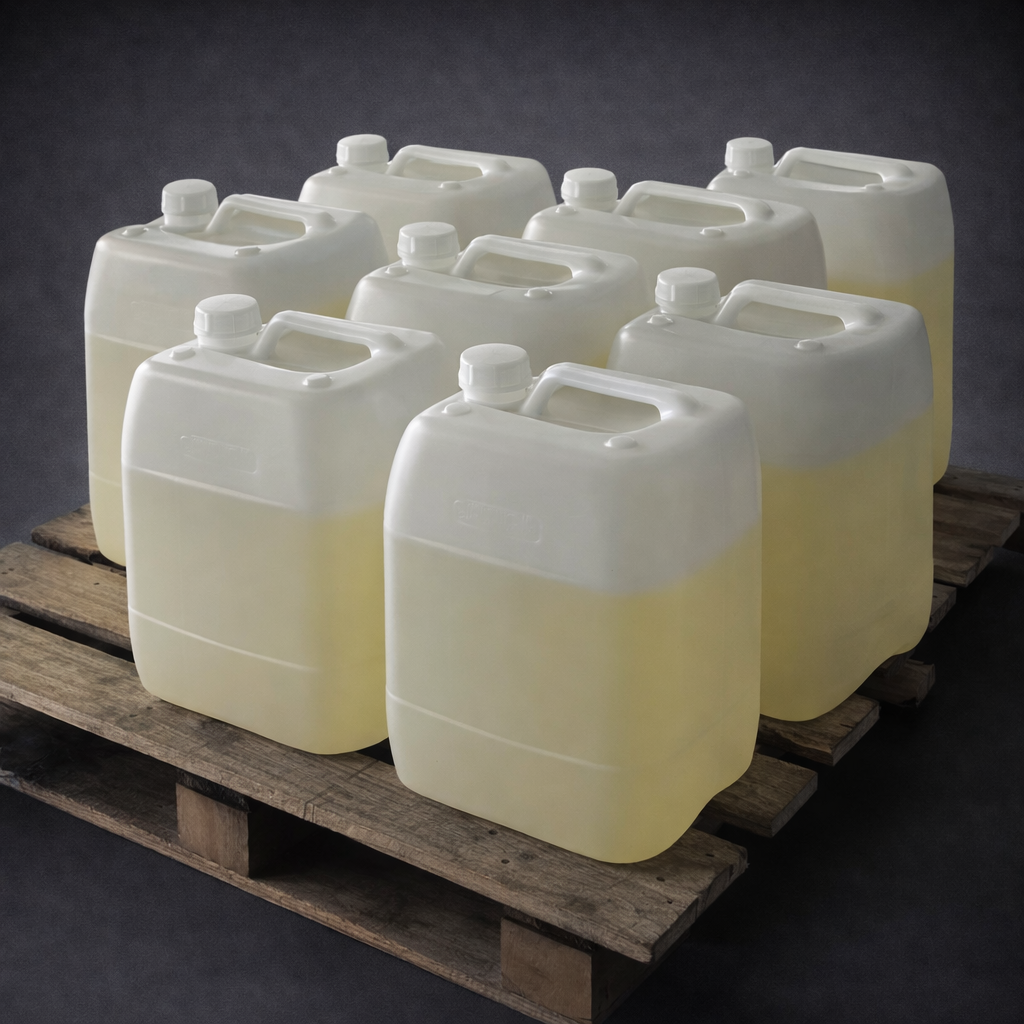
The epoxy resin products and materials shown on this page are intended solely to illustrate typical material forms and application methods.
Specific resin grades, processing conditions, and technical parameters will be confirmed according to customer project requirements and relevant technical documentation.
Epoxy Resins
Application and Structural Characteristics
Epoxy resins are widely used as insulation and encapsulation materials in electrical and power equipment, primarily for electrical insulation, structural fixation, and environmental protection of electrical components.
They are suitable for applications requiring reliable insulation performance, mechanical strength, and long-term operational stability, and are commonly used in transformers, switchgear, and related electrical systems.
In practical applications, epoxy resins can be adapted to various manufacturing and encapsulation processes to meet different equipment structures and operating conditions. By selecting appropriate resin systems and process methods, both insulation performance and overall structural stability can be effectively ensured.
Typical Parameters
| Parameter | Value |
|---|---|
| Viscosity (25°C) | 200 – 10000 mPa·s |
| Mixing Ratio | Customized per system |
| Glass Transition Temperature (Tg) | 70 – 120 °C |
| Tensile Strength | 60 – 90 MPa |
| Flexural Strength | 110 – 150 MPa |
| Compressive Strength | 150 – 200 MPa |
| Thermal Conductivity | 0.7 – 1.2 W/m·K |
| Coefficient of Thermal Expansion | 30 – 45 ppm/K |
| Breakdown Strength | 20 – 30 kV/mm |
| Volume Resistivity | ≥10¹⁴ – 10¹⁶ Ω·m |
| Water Absorption | ≤0.15 % |
**Disclaimer
The above products and parameters are provided as typical examples of epoxy resin applications in electrical insulation and encapsulation.
Actual material systems, process solutions, and performance requirements shall be subject to customer-provided technical documentation, application conditions, and project specifications.